National Pollinator Week, June 18 through 24, 2018.
National Pollinator Week is an international celebration of the ecosystem services provided by bees, birds, butterflies, bats, and beetles. Pollinator Week draws attention to the urgent issue of declining pollinator populations and encourages people to take action to help these important animals.
What can you do to help?
Pollinators need places to nest, feed, and protect their offspring. By managing your property to be pollinator-friendly, you may be able to greatly improve pollinator habitat. Maintaining natural areas (unmanicured areas of your property) is key for long-term pollinator protection.
 If you have a forest, meadow, or wetland on your property, bees will usethose areas extensively for both feeding and nesting. You can also give wild bees a helping hand by providing nesting sites. These sites could be patches of untilled, bare, well-drained soil, which is perfect for many ground-nesting bees. Sites for wood-nesting bees include old logs with beetle burrows (for mason bees and leafcutter bees), or brush piles (for safe places to hibernate).
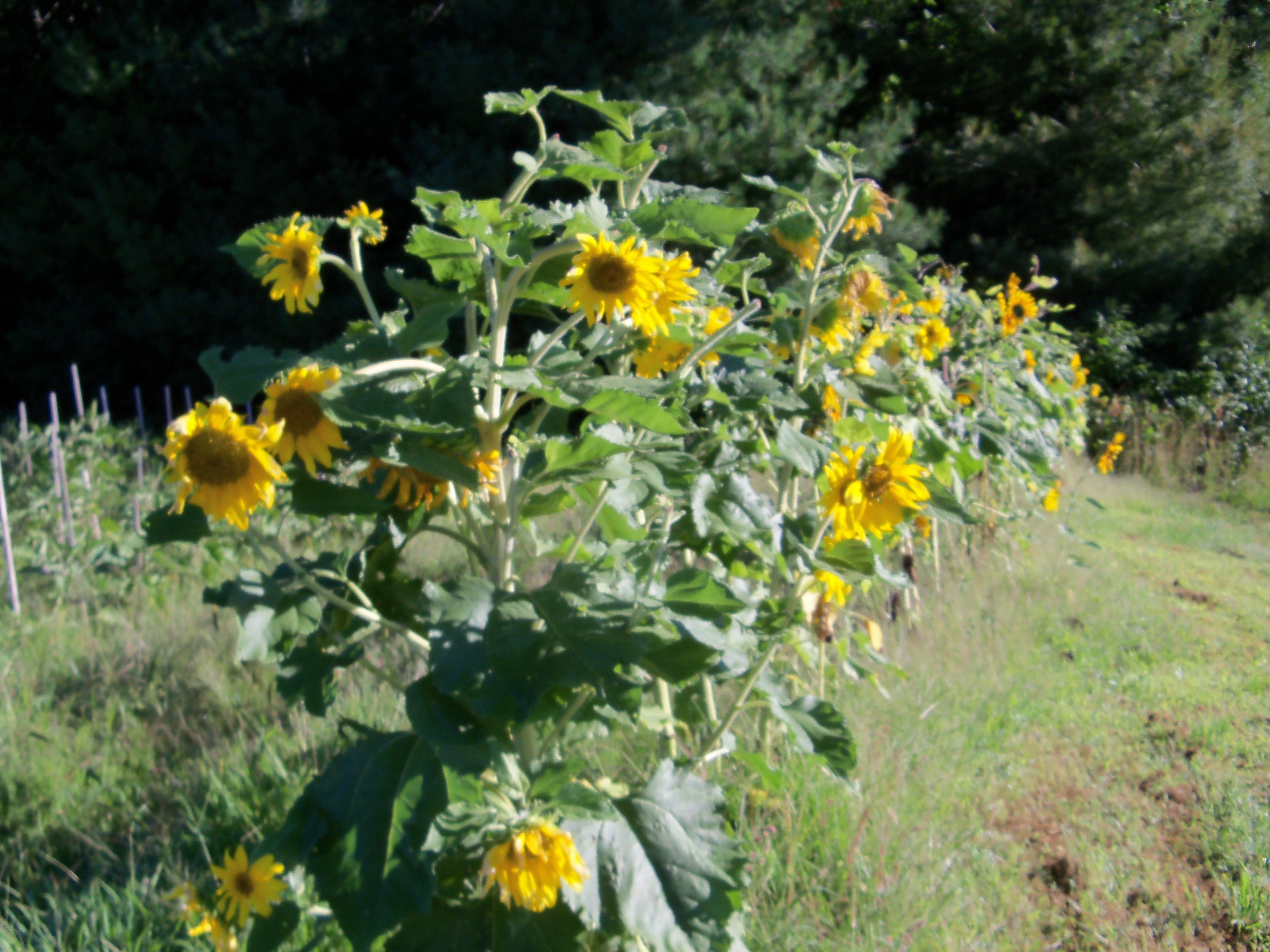
To encourage butterflies, you should plant the caterpillar host plants. For example, monarchs need milkweeds to feed on as caterpillars. New Jersey tea is eaten by many Connecticut insects, making it a great addition to a pollinator garden. Planting native food plants in your yard or garden is a great way to encourage pollinators to flourish!
Want to learn more? Check out our Pollinators in Connecticut webpage or visit the website for the Pollinator Partnership.
Thank you to the Connecticut Department of Energy & Environmental Protection for this great information (Wildlife Highlights June 2018).
Things we can do to help
- Provide nesting sites, such as patches of untilled, bare, well-drained soil, which is perfect for many ground-nesting bees.
- Plant the caterpillar host plants.
- Plant native food plants in your yard or garden.
- Be kind to your pollinator friends.
- Don’t use poison sprays.
- Keep pollinators’ homes safe.
- Teach your family and friends about these important animals.
Categories: