When you walk through the orchard, it is easy to admire the blossoms and the fruit taking shape. But behind every apple, peach, and berry are some of nature’s smallest and hardest workers: pollinators.
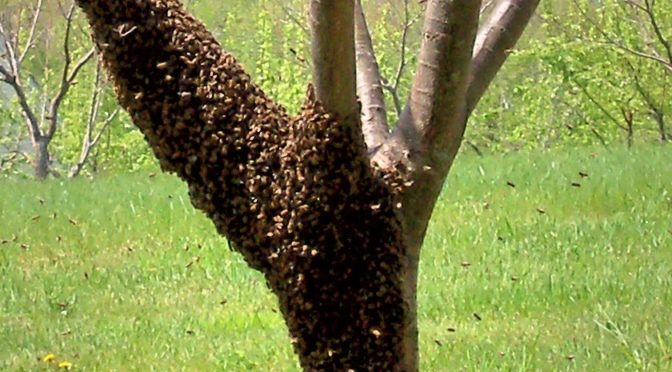
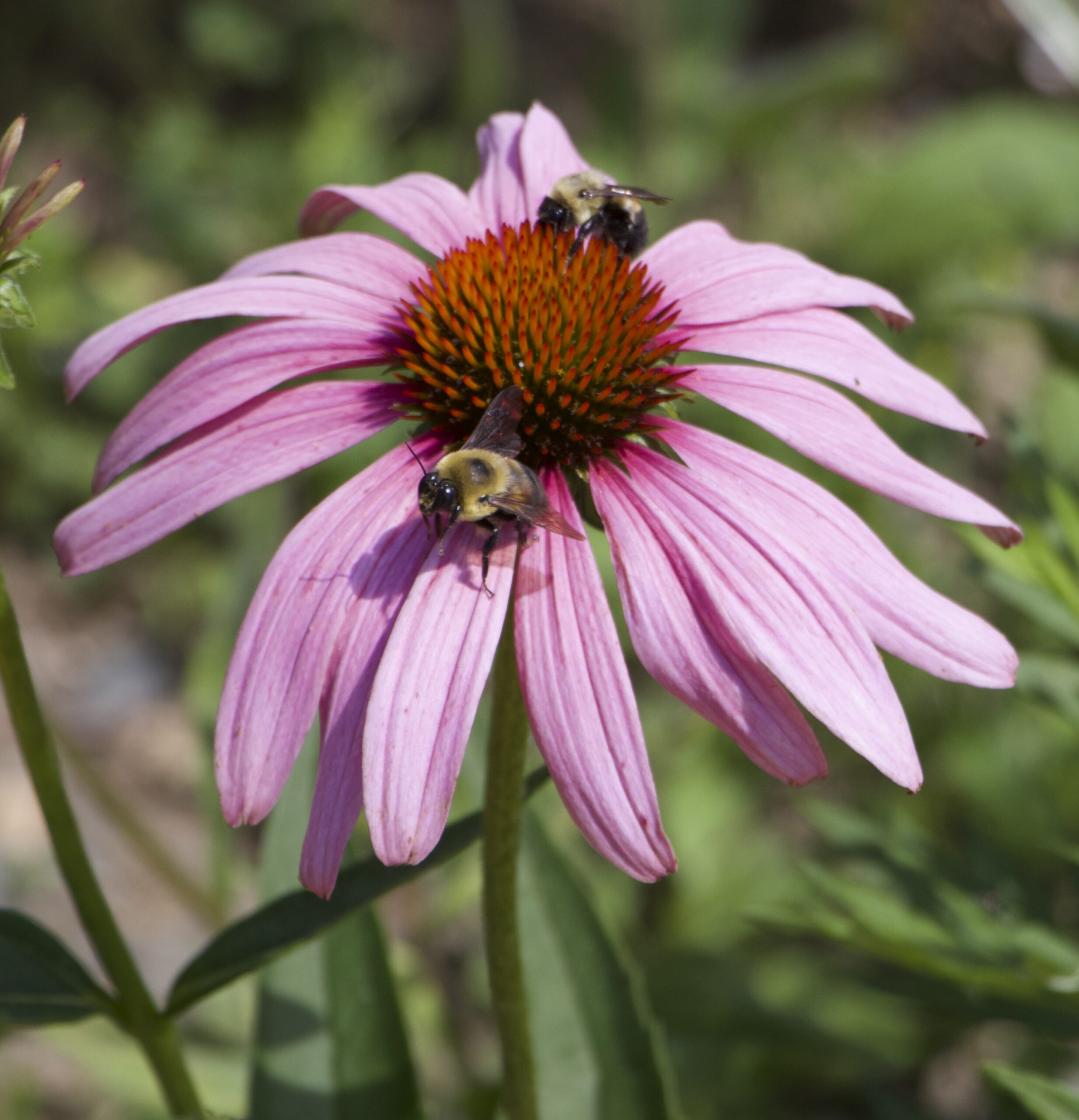
Here in Connecticut, our trees rely on a diverse team of insects to produce a bountiful harvest. While honeybees are wonderful, they are only part of the story. Native bees (like bumblebees and mason bees), butterflies, syrphid flies, and beetles are all critical to our orchard’s ecosystem.
5 Ways You Can Support Our Pollinators
You don’t need a massive farm to make a massive difference. Whether you have a sprawling backyard or a few sunny patio containers, here is how you can help our local pollinators thrive:
- Plant Native Species: Native plants support local bee and butterfly populations because they have evolved to work together. Fill your garden with blooms like Golden Alexander, Bee Balm, Milkweed, and New England Aster.
- Keep Things Blooming: Pollinators need food from spring through fall. Try to stagger your plantings so there is always a fresh source of nectar and pollen available.
- Leave Some Bare Ground: Many of our most efficient native bees don’t live in hives; they nest in the ground. Leave a small patch of sunny, undisturbed dirt in your yard to give them a safe place to burrow.
- Skip the Chemicals: Pesticides and harsh herbicides can easily harm beneficial insects. Embracing integrated pest management helps keep both your garden and our local ecosystem healthy.
- Add a Water Source: Pollinators get thirsty! Fill a shallow bird bath or a dish with clean water and add a few pebbles. This gives our flying friends a safe place to land and take a drink.
Bring the Buzz to Your Backyard
You can recreate this look at home to support the local environment. Plant a small patch of native Connecticut flowers, avoid harsh chemicals, and let nature do the rest!